CUNY Receives $7 Billion Boost for Green Careers Training Across All Five Boroughs
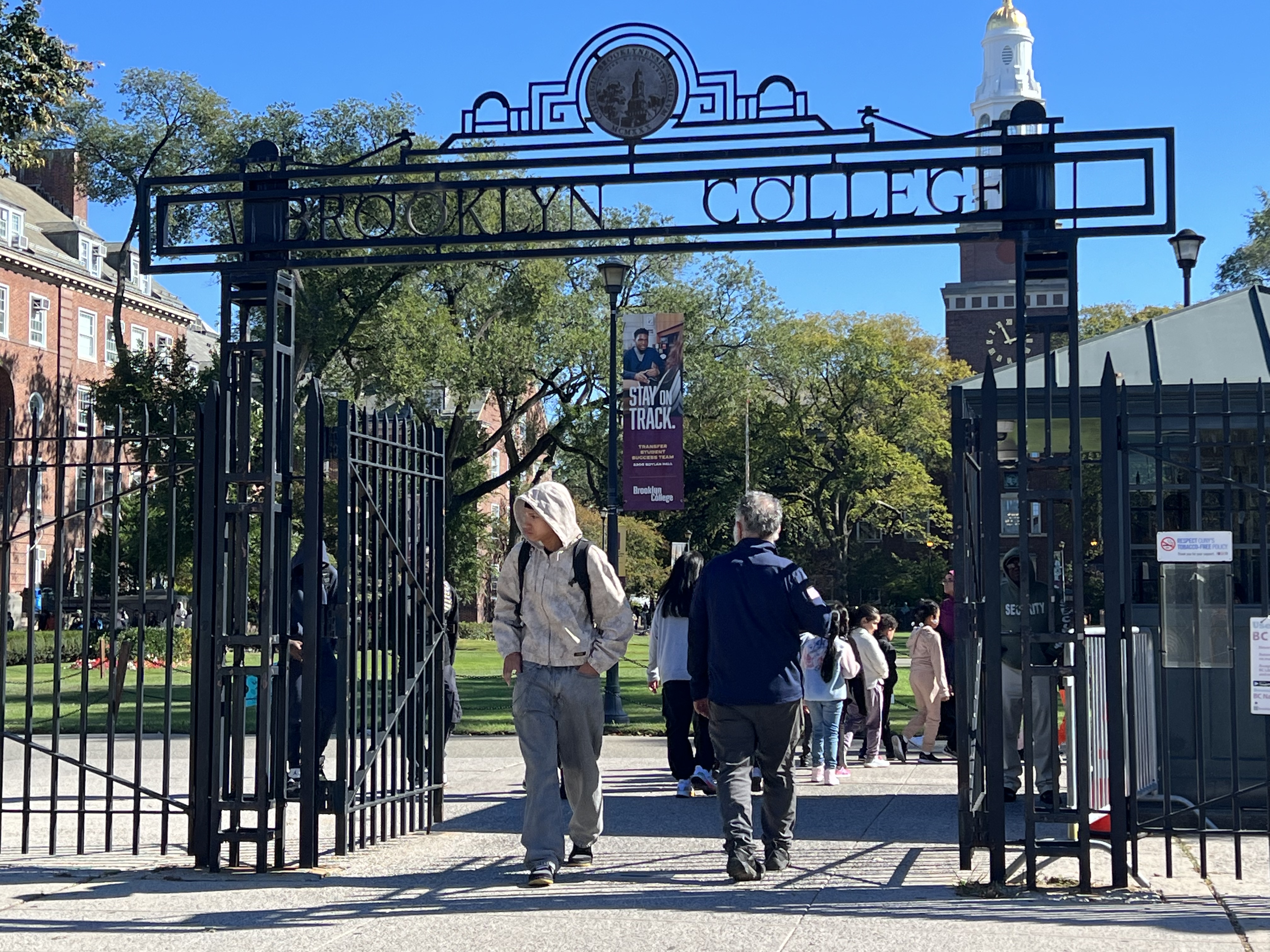
An unprecedented infusion into CUNY aims to propel New Yorkers—especially the city’s diverse students—toward the heart of the emerging green economy.
On a gusty April morning in Brooklyn, the City University of New York (CUNY) received news it had perhaps only dreamed of: a staggering $7bn will soon flood into its campuses. This windfall announced by the New York City Economic Development Corporation (NYCEDC), just as the city marked Earth Day, promises to do more than merely plaster new signage on university halls. It portends a strategic remaking of how the city educates, trains, and prepares its most globally diverse student body for a workplace irrevocably shaped by climate change and sustainability imperatives.
CUNY is set to channel this sum—one of the largest investments in its history—into constructing and modernizing facilities dedicated to what is broadly dubbed the “green economy.” The funds aim to expand access and build out programs in fields such as clean energy, decarbonization, climate resilience, and sustainable infrastructure. Eight flagship training hubs will rise across the university’s borough-spanning network, targeting everything from cutting-edge labs to curriculum overhauls.
First-order benefits are aimed squarely at students—a demographic that, in CUNY’s case, is both large and notably diverse. The system enrolls over 243,000 undergraduates, with Latino and Black students comprising a majority in many colleges. Upwards of 5,900 students annually are projected to benefit directly from this pipeline into environmental careers, according to university estimates. That number, while hardly gargantuan next to the city’s population, would represent a new stratum of green-collar professionals emerging from traditionally underserved precincts.
The intervention is not taking place in a vacuum. In the decade ahead, New York’s own Green Economy Action Plan expects that the city will generate as many as 400,000 green jobs—nearly 7% of all local employment by 2040. Positions in energy auditing, sustainable construction, solar installation, and climate adaptation are growing briskly, even as the overall job market displays only tepid expansion elsewhere. Proponents tout the initiative as an insurance policy: a means of future-proofing the city’s workforce against the twin risks of automation and a warming planet.
Yet, skeptics may wonder if such sums will translate neatly into stable paychecks. CUNY and city leaders have been quick to emphasize the “good jobs” narrative, promising roles that are both well-compensated and require more than a working knowledge of buzzwords like “resilience” or “net zero.” But as of yet, wage data from existing green-job sectors offers a patchwork picture. While some fields pay handsomely—think solar engineering or environmental law—others, such as green maintenance or entry-level weatherization, offer only paltry returns.
Still, this green thrust offers more than economic uplift. Should CUNY’s overhaul succeed, it might serve as a blueprint for cities straining to ensure the ecological transformation does not bypass those who have traditionally sat on the margins. The university’s rector, Félix Matos Rodríguez, promises nothing less than a “redefinition” of opportunity for New Yorkers—one that yokes the city’s storied tradition of upward mobility to a cause that brooks no further delay.
Green ambitions, and who is left behind
For New York, the wager is that steady preparation will outpace the fickleness of political winds and private-sector priorities. Academic infrastructure, once built, can anchor decades of skill-building even if cycles of federal funding or corporate enthusiasm begin to wane. The hope is also to avert the awkward precedent set by some tech booms, in which local populations were boxed out of growth by weak linkages between public education and new-economy hiring.
But challenges remain stubborn. Outcomes in workforce development schemes often fall short unless undergirded by employer commitments, ongoing credentialing, and support beyond the classroom. CUNY’s persistence in serving first-generation and low-income students could be a double-edged sword: access, yes, but sometimes at the cost of job-market clout when not paired with robust business partnerships.
Nationally, CUNY’s green investment stands out for its ambition and scale. While Boston, Los Angeles, and San Francisco have also ramped up climate-tech training, few match either the financial footprint or the diversity of CUNY’s student body. Even globally, cities like London and Berlin, with their own robust public institutions, have only begun to sketch out plans of a comparable magnitude. That New York, a city as fractious and complex as any, is betting so heavily may nudge other urban centers to act less timidly.
Even so, the usual caveats apply. A one-time windfall can evaporate if recurrent funding does not follow—or if programs become captive to political fashion, rather than labor market demand. Environmental causes, perennial favorites in public statements, sometimes struggle when the economy sputters or voters’ attention drifts back to near-term bread-and-butter issues. The task of converting investment into durable, transformative outcomes—rather than yet another round of institutional window-dressing—will require diligence and independent oversight.
We reckon that CUNY is at least asking the right questions—and, for now, securing the means to attempt answers. The university’s sprawl, stubbornly gritty character, and focus on local talent offer advantages that more cloistered or elite institutions cannot easily copy. If the city is to stave off both climate disaster and economic drift, this investment could prove decisive, even if its ultimate return on investment takes decades to mature.
If the money is well spent, and the follow-through reliable, New York may find itself unusually well positioned: not just at the vanguard of climate action, but as a rare city committed to ensuring that “green” does not only mean sustainable for the planet, but for its people too. ■
Based on reporting from El Diario NY; additional analysis and context by Borough Brief.