City to Pay $5.2 Million to Rikers Families as Oversight Lapses Persist
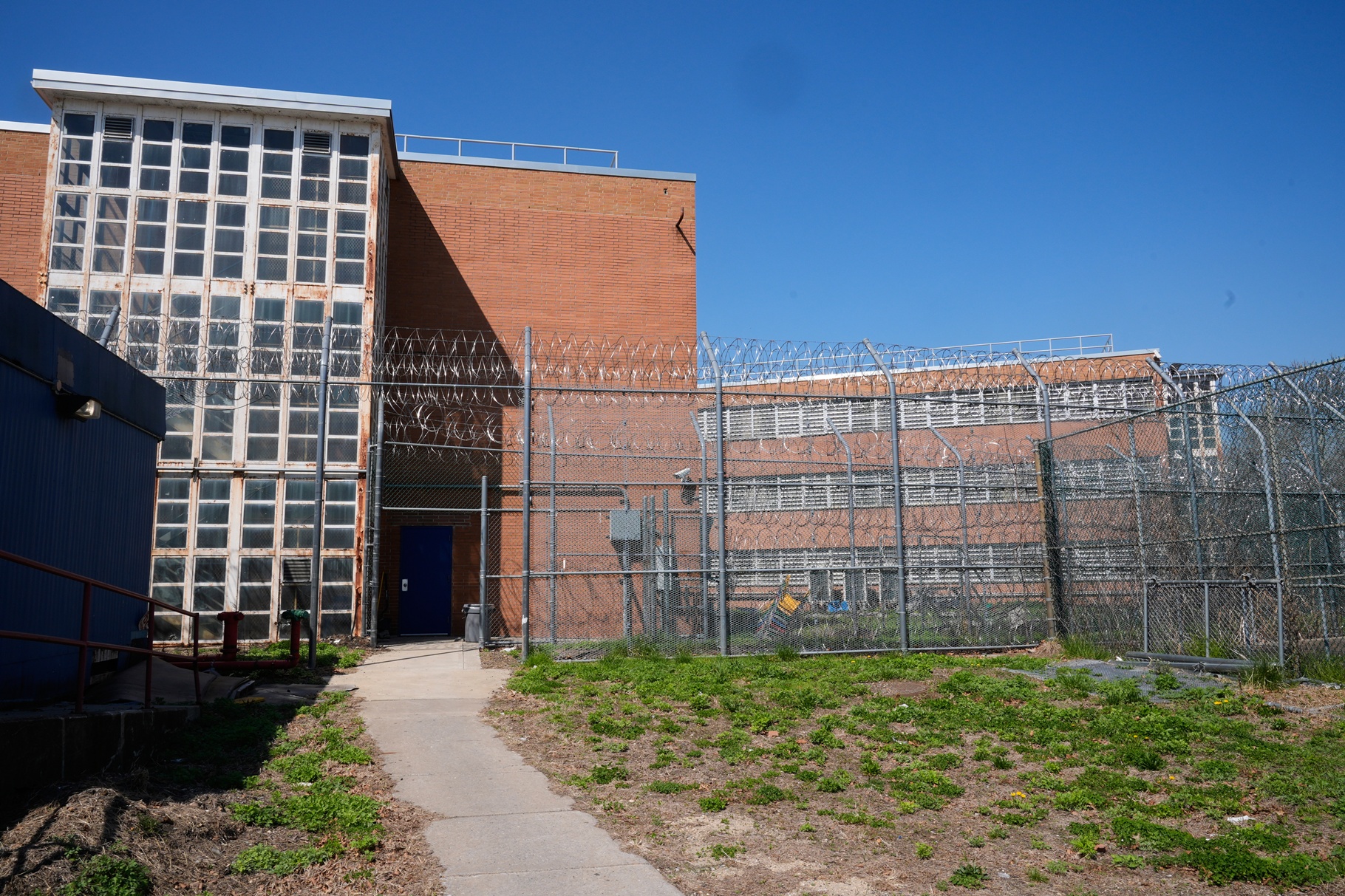
The $5.2m settlement over two overdose deaths in Rikers Island casts a grim light on New York City’s long-troubled jail system and its obligations to those in its care.
Rikers Island has long been the setting for some of New York City’s most agonising headlines, but dollar amounts such as $5.2m are still enough to astonish even jaded observers. That, at least, is the sum the city agreed this week to pay to the families of José Mejía Martínez and Donny Ubiera—two Latino men who died of methadone overdoses while in custody. Both cases, settled quietly but for dutiful court filings and the jeers of watchdogs, suggest that the cost of ignoring suffering can be measured not only in lives lost but also in the city’s coffers.
In 2021, Martínez—plagued for years by substance abuse and mental illness—succumbed to a methadone overdose after ingesting drugs obtained from another inmate in a common area. Records show that correctional officers failed to respond as his condition deteriorated over several hours. Two years later Ubiera, who struggled with schizophrenia, met a similar fate while guards stood by. His repeated pleas for help were ignored; video footage documented at least one officer skipping routine rounds.
The settlements, $2.7 million for Martínez’s family and $2.49 million for Ubiera’s (both negotiated by the firm Emery Celli Brinckerhoff Abady Ward & Maazel LLP), provide a measure of financial redress, but only for an abject failure of care. Quoted after the agreement, Maricela Ubiera, Donny’s mother, lamented, “No mother should have to bury her child because those responsible for his safety chose not to act.” Sober words—and ones that will ring familiar to reformers and grieving families alike.
For the Department of Correction (DOC), the episodes reinforce a reputation for inaction and indifference. Despite years of promised improvements, under-staffing and spotty oversight persist. Federal investigators continue to document what they diplomatically call a “culture of violence” inside the sprawling complex. Emergency medical interventions remain a hit-or-miss affair—often, as in these cases, the latter rather than the former. Incarcerated New Yorkers with mental health or substance use issues fare particularly poorly.
Financial consequences, though substantial, are easily shrugged off amid an annual city budget of nearly $110 billion. But the payouts add up: since 2016, settlements for deaths and injuries attributable to Rikers have exceeded $50 million, a sum that signals not just the high cost of inaction, but also the puny deterrence settlements offer against systemic dysfunction. Taxpayers shoulder the burden; accountability, one notes dryly, is routinely diluted.
More insidious are the second-order effects. Public confidence in New York’s criminal justice infrastructure, never buoyant, takes another knock with every such revelation. Communities beset by poverty and over-policing—often Black or Latino—view Rikers not merely as a last stop for the desperate, but as a site of avoidable tragedy. When city authorities pay out millions for preventable deaths, they affirm suspicions that jails serve neither rehabilitation nor basic custodial competence.
Unfolding as they do against a national background of prison scandals, these settlements have broader resonance. From Cook County in Chicago to Los Angeles’s Men’s Central Jail, American correctional facilities periodically feature in headlines about fatal neglect or violence. Yet few institutions are as notorious or as repeatedly indicted (in both the legal and figurative senses) as Rikers, which faces annual calls for closure or radical overhaul from legislators, activists, and columnists alike.
Efforts at systemic reform have proceeded in fits and starts. In New York, proposals to abolish solitary confinement, create smaller borough-based jails, and provide more robust mental health care flicker on the legislative docket. Yet progress is halting, and attrition among jailstaff is brisker than any reform. The city’s alternative facility plan, much touted by previous administrations, has run aground amid cost overruns and local opposition.
Settlements without reform portend little change
National comparisons offer slim comfort. European incarceration centres—well-funded, less crowded, and more transparent—report a fraction of America’s custodial deaths. Scandinavia’s notorious “soft” jails, so maligned in tough-on-crime circles, quietly achieve lower recidivism rates and fewer deaths in custody. By contrast, the American model appears, by international standards, both ineffective and inhumane—a costly but unproductive enterprise.
As classical liberals, we abhor caprice and cruelty administered in the name of the state, but also wince at the profligacy these failures invite. When New York City spends millions compensating bereaved families for dead sons and brothers, it is paying twice: first with lives unreclaimed and again with taxpayer dollars unrecouped. Worse, these settlements, though large by the standards of legal redress, are paltry incentives for meaningful institutional change.
Would more oversight and medical intervention cost more? Possibly, though the sums would pale beside years of accumulative payouts—and might, in time, generate actual public good. Smarter, more targeted investment in corrections promises not only fiscal prudence but also reputational repair, both at home and abroad. Until then, reforms will look, candidly, cosmetic; the cost of institutional neglect, by contrast, remains all too material.
The continuing saga at Rikers is by no means unique. But for New Yorkers—and for the country at large—it remains a cautionary tale of why governments tasked with protecting the most vulnerable must reckon with their stewardship, not simply their litigation risk. As settlements grow, so too does the reckoning. ■
Based on reporting from El Diario NY; additional analysis and context by Borough Brief.