City Pledges Quicker Affordable Housing Lotteries, Promises Fewer Bureaucratic Cliffhangers for Renters
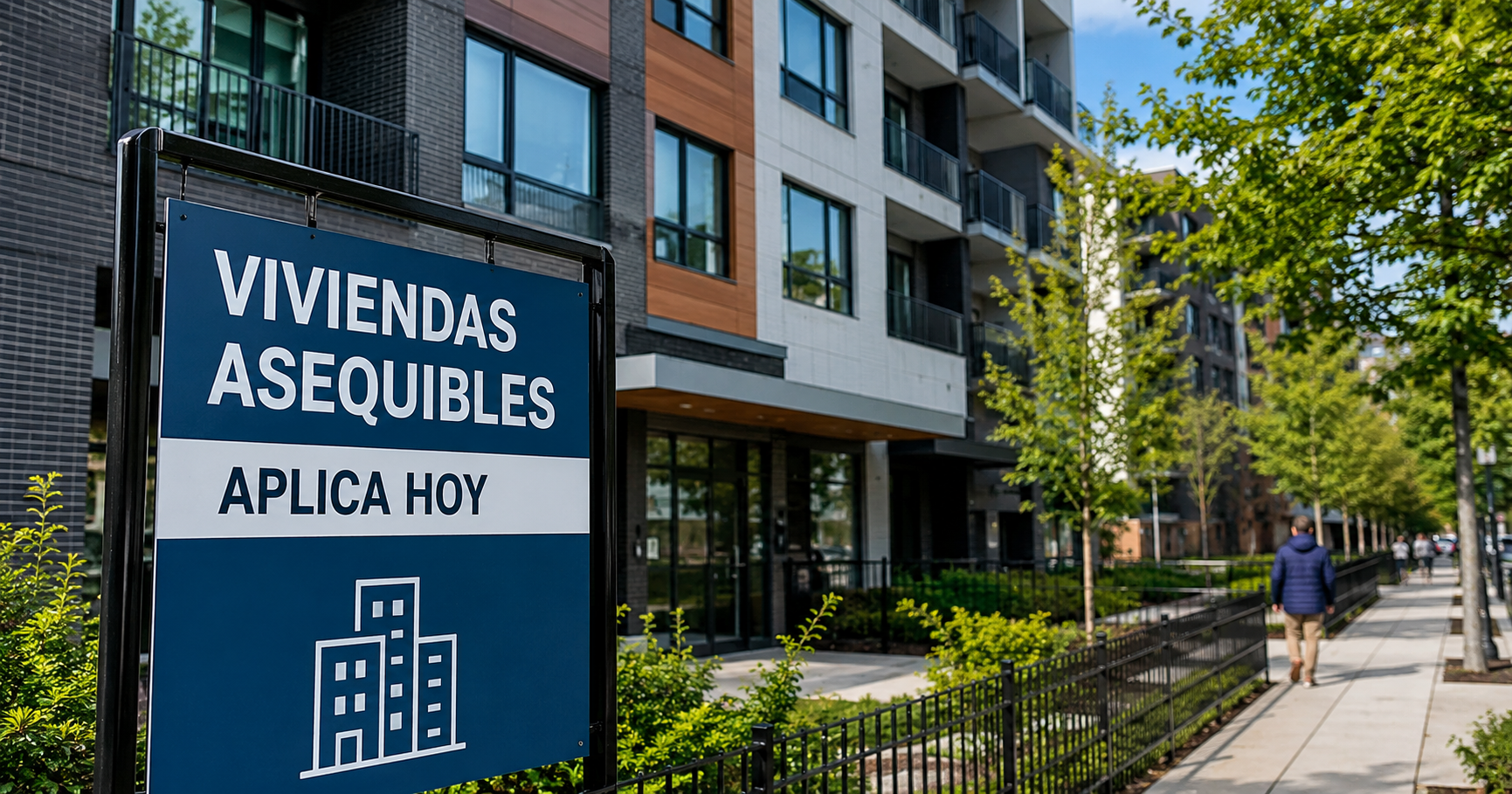
New York’s proposed acceleration of affordable-housing lotteries exposes the friction between bureaucratic inertia and urgent shelter needs—and may offer a model for other costly cities.
For New Yorkers in search of affordable housing, the odds are punishingly slim. Yet even those fortunate enough to win the city’s vaunted rental lotteries often find themselves mired in a bureaucratic slog, waiting months or years after buildings are finished—held up not by construction delays, but by paper, process, and administrative torpor.
Now the city government, under Mayor Zohran Kwame Mamdani, proposes to push through SPEED, a reform package aimed at quickening the pace at which affordable apartments go from blueprint to occupied home. This suite of measures, announced in June, targets notorious chokepoints in construction and leasing: environmental reviews, financing approvals, zoning, digital application systems, and, above all, the final assignment and move-in process. If the reforms go to plan, a family could move in just 100 days after a building’s completion—less than half the current average.
The changes address a frustration common across all five boroughs. For every gleaming housing development that stands empty while would-be tenants wait, there are hundreds of families doubling up or coughing up for creaky market-rate flats far beyond their means. The current process, city officials admit, is badly misaligned with the economic reality for most workers. A sluggish lottery system, overseen by the Department of Housing Preservation and Development (HPD), leaves qualified applicants in limbo. Meanwhile, neighbourhoods regularly witness finished apartments languishing for want of administrative efficiency, a scenario that makes a mockery of crisis rhetoric.
SPEED would, among other things, modernise Housing Connect—the city’s central online portal for affordable units. The site, while an improvement on pre-digital chaos, still leaves users in the dark about their application status, missing documents, or the real meaning behind ominous pending-notices. This opacity breeds cynicism. Critically, the reforms aim to slash the “lease-up” phase (from lottery selection to contract signing), which now stretches, on average, to 210 days.
This is not mere bureaucratic tinkering. In a market where the median Manhattan rent now hovers above $4,000 per month, every administrative week imposes a real cost on families hovering near eligibility thresholds. The longer the delays, the greater the risk of housing instability: more overcrowding, continued rent burden, and, at the margins, deepening homelessness.
The city’s goal—shearing eight months off the total development lifespan for most projects, and two years or more from those with tricky zoning changes—could be transformative if delivered honestly. Yet, as ever, the devil crouches in the details. Past efforts to clear bureaucratic underbrush have yielded at best patchy results. New York’s vast city apparatus, famous for its opacity, does not cede its processes lightly. HPD claims that system upgrades and streamlined verification will benefit “hundreds of thousands” of applicants, but retraining staff, vetting new software, and enforcing transparency culture are slower work.
The reform’s second-order effects are likely to ripple well beyond the waiting rooms of would-be tenants. More efficient move-ins could tamp down housing insecurity, boost local retail footfall, and allow low-income earners to spend less on transitional arrangements and more on daily needs. Politically, a visible reduction in empty new flats could also take heat off City Hall from both progressive critics, who lambast the snail’s pace of rollouts, and from neighbourhood preservationists, perennially suspicious of any growth.
For developers, the promise of a brisker path from project launch to occupancy might dislodge some of the frost from the affordable-housing pipeline. If paperwork and approvals stop dragging projects out by years, private partners may prove less skittish. The city’s oft-touted ambition to build or preserve 500,000 affordable units by 2032 looks more plausible if the phantom time between completion and occupancy is no longer a major deterrent.
As always in New York, these improvements unfold against a backdrop of national hand-wringing about housing shortages and cost. San Francisco and Boston, among others, also boast lottery systems whose delays and complications chill would-be renters and sap the credibility of local affordable-housing regimes. If New York’s reforms work—and this is a significant “if”—they could provide precedent for other cities where the gap between policy aspiration and on-the-ground relief is even wider. Europe, too, has its own battles: in Berlin, streamlined assignment of subsidised units remains more myth than reality.
Implementation hurdles could yet blunt the city’s ambitions
We do not underestimate the inertia of New York’s bureaucracy. Attempts at digitalisation and process overhaul have historically fallen short of pledges. Ensuring transparency for tenants, routine communication about waitlists, and rapid document checks may all founder on software bugs and under-staffed offices. Even the “under-100-days” promise for lease-up will mean little unless evictions and ineligibility reviews are harmonised across agencies.
Much depends on culture change at HPD and other agencies: the willingness to prioritise tenant outcomes over interdepartmental protocol bodes well only if sustained by political will and investment. The fractious city council, eyeing elections, could yet seek to dilute reforms that threaten their own pet processes or constituent service models.
Yet, the economic logic is clear. Vacant units benefit neither the housing-starved nor the city coffers. Efforts that actually cut red tape—and are seen to do so—would offer a form of hope more credible than the warmed-over rhetoric of past booms and busts. At a time when renter rage is palpable on both coasts, even moderate success will be noticed.
For now, skepticism is warranted. But this latest play for efficiency, if executed with uncharacteristic competence, could at last ensure that New York’s much-ballyhooed affordable housing functions as a living system, not a Potemkin tool of mayoral press releases. The stakes are as real as the weathered faces of those waiting, lottery ticket in hand, for a better home. ■
Based on reporting from El Diario NY; additional analysis and context by Borough Brief.