City Council Weighs Automatic Enrollment for Fair Fares, Tackling Red Tape Head-On
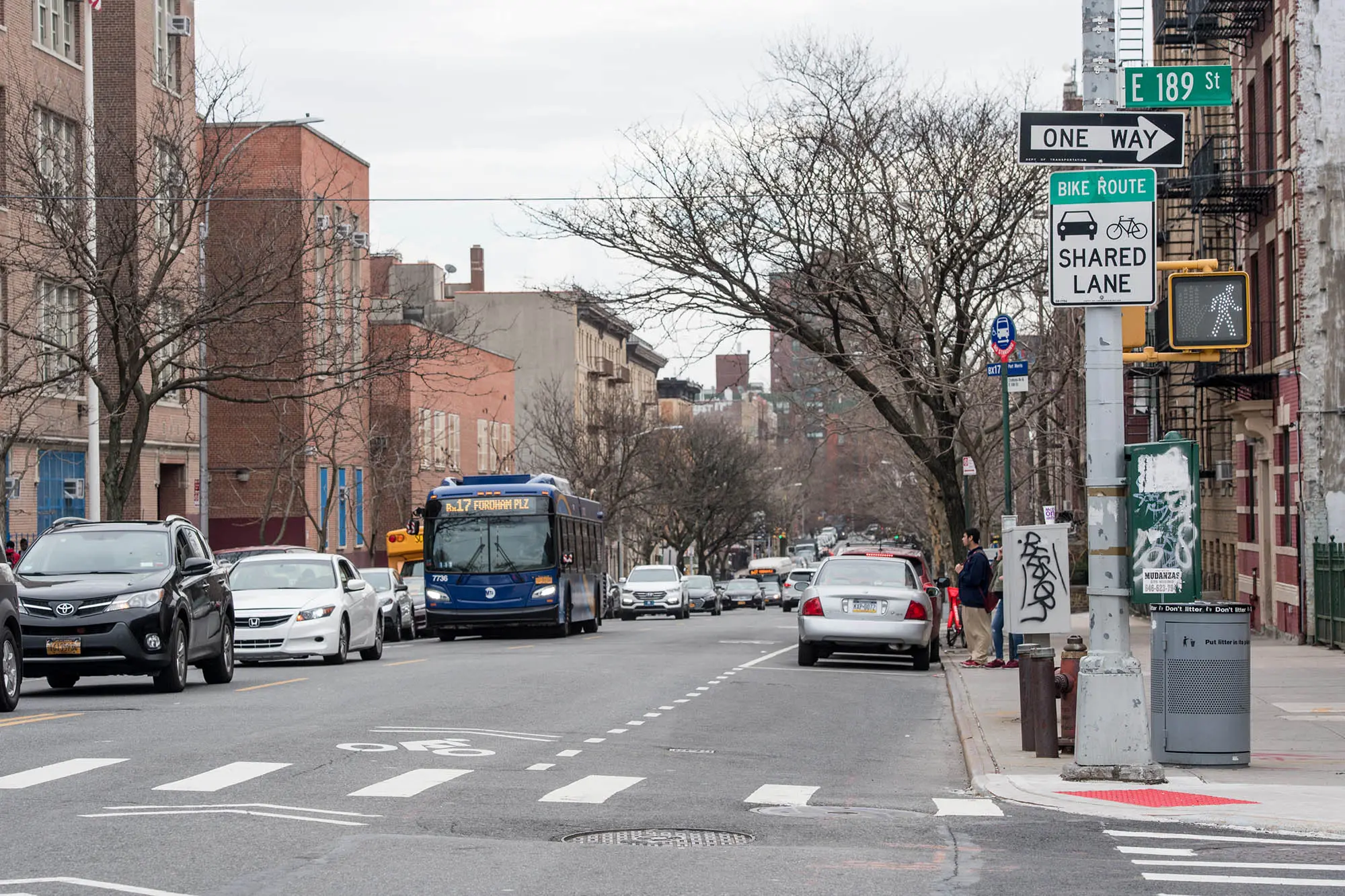
As New York weighs automatic enrollment for discounted fares, the fate of a million unregistered low-income commuters could reshape access and equity—and trip up municipal bureaucracy.
In the bowels of the city, change is in the air as much as on the platforms. Subway carriages rattle nightly with stories of New Yorkers striving to make ends meet, yet a formidable 1.4 million eligible city residents—nearly one in six—could ride for half price under Fair Fares, a quietly sprawling benefit that most have yet to claim.
Now, politicians and policy wonks are turning their gaze to the machinery of access. On May 6th, City Council committees will jointly scrutinise a bill proposing that the city automatically enroll its lowest-income adult residents in fare discounts, scrapping bureaucratic burdens for recipients and, perhaps, for itself. Transit is the city’s circulatory system; discounting access could sluice economic stimulus through neglected neighbourhoods and fortify the city’s social contract.
At stake is a program that, since 2019, has chipped away at the cost of getting around for the poorest. Yet only 370,000—or barely one-third—of those eligible for Fair Fares currently make use of it. The chief culprit: a paperwork gauntlet requiring proof of residency, income, and identity, deterring many who qualify by virtue of their interactions with other municipal programs. Council Speaker Julie Menin is blunt: ensuring affordable transit “is essential,” and procedural barriers help nobody.
The proposed legislation, spearheaded by Council Member Crystal Hudson, would mandate the Department of Social Services and Human Resources Administration to use data already collected for benefits such as SNAP (food stamps), Medicaid, or city cash assistance. In short, if the city knows you are poor, it would automatically offer you savings on the subway and bus.
This sounds like common sense. Research from transit advocates and fiscal analysts alike suggests that the take-up gap is not born of disinterest, but of inertia—an alarming signal for a metropolis priding itself on mobility. For every person who wrangles the application, many more eschew the process, whether out of confusion, mistrust, or exhaustion.
A system that reduces paperwork to a minimum bodes well for ridership and for public health. Not merely a feel-good policy, cheaper transit has outsized effects on attendance at work and doctor’s appointments—especially as pandemic-era riders have not yet returned in full to the subways. For the MTA, which lurches from fiscal crisis to fiscal crisis, easier access for the neediest residents might even boost overall usage long-term.
Yet automatic enrollment, seductive as it may be, is not without risk to city coffers and ambitions. More beneficiaries will mean more foregone revenue—though this sum, at roughly $30 million currently, is paltry in the grand scheme of the city’s $110 billion budget. The real challenge is likely to lie not in the subsidy itself, but in the IT plumbing required to match records securely and legally across several agencies. Mayor Zohran Mamdani’s administration must reckon with data privacy, eligibility errors, and fraud—all familiar headaches for large American cities.
The politics are equally tangled. New York’s last mayor, Eric Adams, was no enemy of Fair Fares but tepid in his expansion of it. In an election year larded with rhetoric about quality of life, some officials worry the price tag may draw fire from those more interested in “tough on crime” posturing or property tax relief than in buses. But others, sensing voters’ fatigue with bureaucratic red tape—and the economic drag it portends—spy an opportunity.
How cities fare elsewhere
New York is hardly unique in its struggles to make transit affordable for the destitute. San Francisco and Boston have each piloted automatic or near-automatic enrollment for low-income residents, with modest yet promising bumps in uptake; London’s sprawling system boasts several discount categories and a largely digital eligibility check. Globally, cities from Vienna to Seoul subsidise riders with far greater alacrity—and a fraction of the administrative bile. That New York, with its vaunted innovation, still pages through paper forms for discounted fares carries an irony that will not be lost on commuters.
Evidence from those cities suggests that making kindness bureaucratically frictionless comes cheap—yet tends to fade into the background noise of city budgets. What matters more is execution. New York’s public benefits apparatus is, by American standards, less labyrinthine than in some cities—yet slow progress even here hints at entrenched interests and the perennial conservatism of public IT. A botched rollout could hand critics an easy stick.
There are second-order effects, economic and social, that bear mention. If automatic enrollment closes the take-up gap, half-price rides will put more money, if modestly, into the pockets of the city’s least buoyant earners. The city’s economy, still sluggish at the low end, may discover that a ten-dollar savings a week is the difference between making and missing a shift, or hauling groceries home versus skipping a meal. Transit itself, famously clogged and cash strapped, would win marginally from more riders and more political goodwill.
We argue the city would do well to embrace not just automaticity in transit benefits, but a sweeping consolidation of how welfare is delivered and maintained. Even in a city as deft at digital governance as New York, duplicated data entry and siloed eligibility checks are as outmoded as token booths. The fight over Fair Fares is likely to portend further skirmishes over benefits coordination, as smart cities worldwide seek to marry efficiency with access.
For all this, New York’s drive to remove friction from social support is both a symbolic and practical move in step with evolving urban priorities. However, to fulfill the promise, city leaders will need to resist the familiar temptation to water down the bill under the guise of caution, and instead invest in the unglamorous infrastructure of joined-up government.
If the legislature can deliver on its promises—and the bureaucracy on its homework—New York stands to reap not a revolution, but a modest, commendable improvement in how the city cares for those who move its gears. In the strained symphony of urban life, sometimes eliminating needless obstacles is more catalytic than any grand new initiative. ■
Based on reporting from QNS; additional analysis and context by Borough Brief.