Childcare Now Rivals Rent for New York Families, With Solutions Still on Backorder
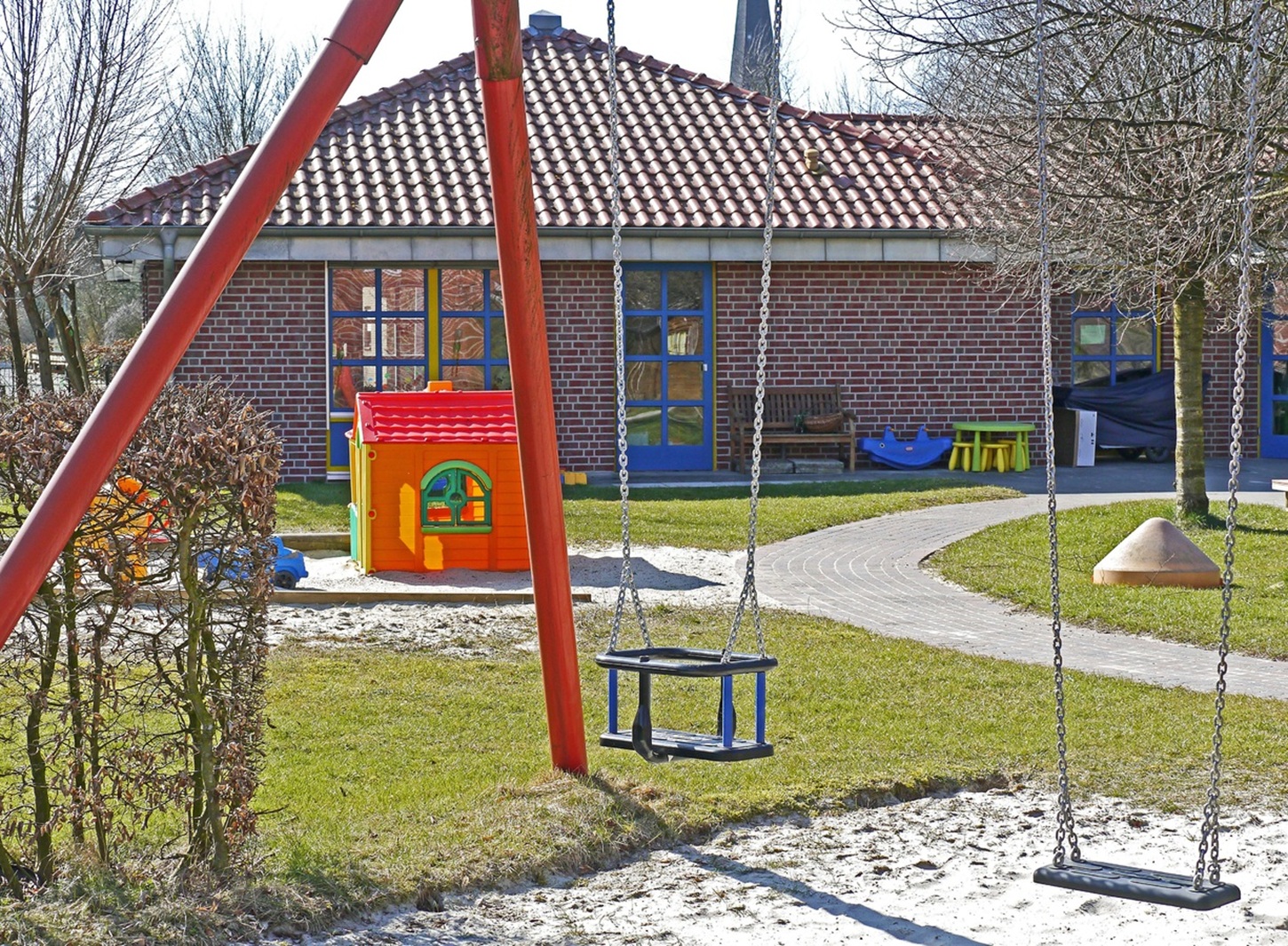
The astonishing price of childcare in New York is squeezing working families and quietly re-shaping the city’s economy.
In the boroughs of New York, where rents have scaled Olympian heights, another expense has stealthily matched them stride for stride: the cost of childcare. For dual-income households with two young children, annual outlays now routinely hit $30,000—competing with mortgages and eclipsing grocery bills. In a city famed for its financial ambition, the true cost of earning a living is increasingly a quandary for those raising the next generation.
The details are stark. Care options—whether a licensed day-care centre, private nanny, or pre-school—often cost between $10,000 and $20,000 per child each year, according to data from both city and federal agencies. The ramifications go well beyond balance sheets: for many families, especially among the city’s large Latino and immigrant populations, these sums dictate career choices. Some scale back work hours; others weigh leaving the formal workforce altogether, with mothers disproportionately affected. When the arithmetic no longer fits the pay-cheque, many rely on a complex web of relatives, favours, and luck.
These choices ripple far and wide. New York’s women have long had higher workforce participation rates than the national average, but soaring childcare bills now portend a reversal of that trend. Local experts reckon that between 15% and 25% of many families’ incomes are diverted straight to paying someone to mind the children—about as much as a middling apartment commands in rent. Decisions about who works, who stays home, and which ambitions are deferred are laid bare not by preferences, but by cold calculation.
Businesses, ostensibly indifferent to such domestic details, are beginning to take notice. Employers find themselves contending with higher turnover, interrupted tenures, and a diminished pool of talent—particularly among women. Productivity takes a knock, and the promise of “always-on” city life is subtly hobbled when parents cannot foot the bill to let both adults in a household stay in the labour force. It is an inefficiency rarely captured in traditional measures of economic productivity.
The pandemic, predictably, made matters worse. Hundreds of city day-care centres shuttered, never to reopen, and the diminished supply has allowed the rump of providers to charge still-rosier rates. Waitlists are now the norm, not the exception. Far from a temporary crisis, shortages portend a structural, long-term shift in the city’s social contract.
A punishing arithmetic for families and city coffers
This crunch is not solely a Gotham phenomenon, but New York exemplifies the predicament at its most acute. Across the United States, the average cost for centre-based care now hovers near $15,000 annually—a figure already out of reach for many in cities like Houston or Cleveland. Yet in New York and neighboring New Jersey, where population density is high and wage pressures relentless, families endure the highest sticker shock in the country. In some Queens neighborhoods, tuition at reputable pre-schools can outpace all but the most rarefied private elementary education.
Government has not been wholly indifferent. The city and state funnel millions annually into Child Care Assistance Programs and offer modest tax credits, such as the federal Child and Dependent Care Credit. Yet eligibility is strictly means-tested, and too many working-class households find themselves earning just enough to miss out, but too little to keep up. Firms offering family-friendly benefits—on-site crèches or child-care stipends—remain rare birds, concentrated in the highest-paying financial and tech sectors, rather than the vast service economy that employs most parents.
The societal consequences sprawl further still. When parents, usually mothers, drop out of the workforce, their lifetime earnings and savings shrivel. Career prospects—already tenuous in a city where ambition is a blood sport—can stall irreparably. The city’s tax base shrinks accordingly, and the long-run impact on child development (notably, school readiness gaps) lingers in ways only half-captured by statistics.
International comparisons are not flattering. In much of Western Europe, government shoulders a more robust share of the burden: French and Swedish parents enjoy subsidized, high-quality care as a right of citizenship, not a privilege of affluence. Even in less buoyant economic periods, subsidized childcare there is treated not merely as welfare, but as infrastructure—an enabler of work and gender equality. America’s makeshift patchwork bodes less well. New York, despite its self-image as “The City That Never Sleeps,” expects parents to nap only when their spreadsheets balance.
There are, flickers of hope. Several mayoral candidates in the last election campaigned on citywide pre-K expansion; Governor Kathy Hochul has talked up boosting subsidies. Some large employers, perhaps spurred by recruitment woes, are trialing more generous support. These gestures, though, remain puny compared to the scale of the problem.
We reckon the city—a place built on the promise of upward mobility—ought to treat childcare as no less critical than clean water or functioning subways. For New York to remain a magnet for talent, it must recognize that the cost of raising children belongs not merely to parents, but to the whole city’s future prosperity. Until then, the city’s youngest denizens and their harried caretakers will continue to foot a bill that quietly shapes everything from school attendance to tax policy.
The measure of a world-class city is not just the heights of its towers or the size of its bonuses, but how resiliently it provides for those not yet old enough to ride the subway alone. For now, the arithmetic of childcare in New York is a stubborn obstacle—not only to family budgets, but to the city’s own storied dynamism. ■
Based on reporting from El Diario NY; additional analysis and context by Borough Brief.