Buy America Rule Chills Affordable Housing Projects Across NYC as Costs Climb and Timelines Stall
America’s bid to boost domestic manufacturing is quietly exacerbating New York City’s affordable housing crunch.
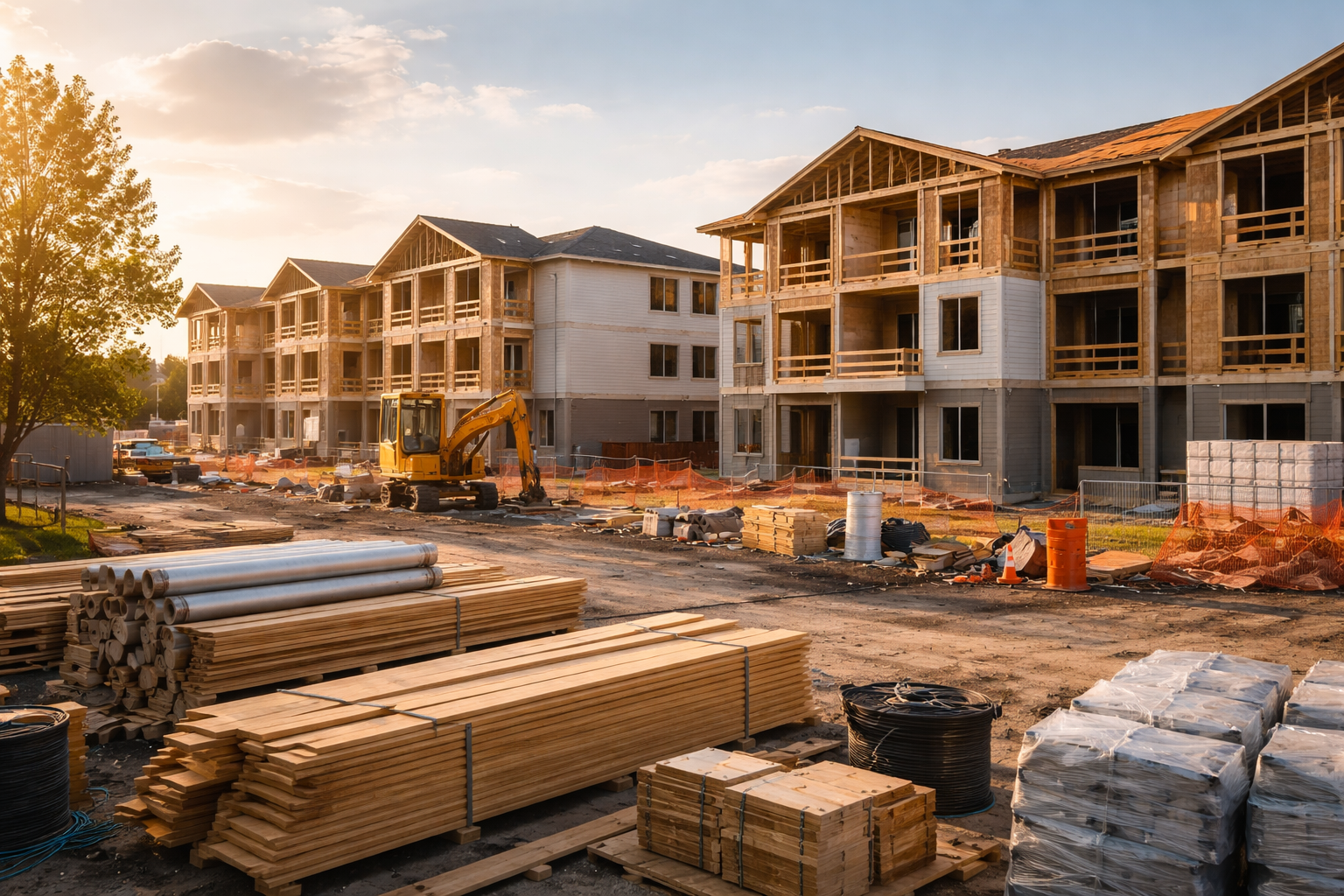
In Brooklyn, a half-finished block of affordable apartments looms, silent, on a once-bustling construction site. The developer is not out of cash, nor are buyers in short supply; instead, it is the humdrum but potent shortage of American-made heating and cooling components that has brought the project to a juddering halt. Across New York City, and the United States as a whole, a federal law designed to bolster local manufacturing is, paradoxically, impeding the building of desperately needed homes.
The culprit is the “Build America, Buy America” (BABA) provision, a centrepiece of the 2021 Infrastructure Investment and Jobs Act (IIJA). In intent, the rule is unambiguous: any project receiving federal funds must use domestically produced construction materials. In execution, the landscape looks markedly less rosy. Developers tasked with erecting affordable housing—already working to thread scrawny profit margins—now find themselves trapped in limbo, waiting for compliant American-made components that either do not exist or cost dearly.
Nowhere is the impact of BABA more acutely felt than in the affordable housing sector. At a time when rental prices in New York hit record highs and low-income families jockey for a shrinking pool of habitable units, delays in project delivery have grown commonplace. Normally, a typical affordable complex might be finished in 18 months. With BABA, timelines stretch to two years or more; missing or delayed HVAC systems alone have left new apartments uninhabitable for months.
Yet availability, or the lack thereof, is only half the predicament. According to regional trade groups, American-made construction materials now carry a premium of between 20% and 35% compared to imports. For a city like New York, where land costs are already sky-high, such cost inflation can hobble deals before ground is even broken. In some instances, housing organisations have been forced to redesign buildings to fit US-made products; in others, they shelve projects altogether, their viability gutted by the price differential.
The knock-on effect is measurable. In 2023, the number of new affordable units initiated in New York’s five boroughs fell to just under 6,000—down by more than a third from pre-pandemic levels. At the Metropolitan Housing Council, weary staffers point to BABA as a key factor in this grim calculus: “We have projects delayed over a year, and some are being scrapped entirely,” says one executive. The city council—usually fond of touting ribbon-cuttings—now finds itself fielding complaints from all quarters, from tenants’ advocates to construction unions.
Such bottlenecks ripple outwards. Lengthier waits for new housing keep more low-income families renting at unaffordable rates or doubled up with relatives, contributing to New York’s rising rates of rent burden and homelessness. The constriction of supply pushes price tags ever upward, undermining the city’s own ambitious targets for housing creation. Renters who once looked to public-private initiatives for better prospects are left circling stagnant waiting lists.
On a broader level, the new regulatory regime bodes ill for New York’s economic competitiveness. Fewer housing completions mean higher labour costs and less turnover for construction crews—ironically, the very constituencies BABA was intended to help. Private developers, who might once have sought public financing to lower rents, now find the strings attached considerably more binding, if not outright strangling.
Other cities and the federal quandary
Nationally, New York’s predicament is echoed in places like Chicago, Houston, and Los Angeles, where developers face the same headwinds. Some civic leaders have pressed for temporary waivers from Washington, citing “public interest” exemptions built into the BABA law (though rarely granted with alacrity). Yet such reprieves are piecemeal, and the uncertainty around regulatory compliance has bred a climate of hesitancy in the affordable housing sector nationwide.
Comparisons abroad cast the American experience in even starker relief. In Canada, where domestic-content rules are less stringent, public housing construction has remained brisk, even despite global supply hiccups. European cities, for their part, often balance support for local industry with pragmatic flexibilities, allowing exceptions when market supply would otherwise stall essential projects.
Supporters of BABA in Congress remain unbowed. They argue, not unreasonably, that Americans should be building homes with American products, sustaining domestic jobs and capabilities in steel, glass, and manufactured goods. Yet economic orthodoxy—and the evidence now accumulating in New York—suggests that protectionism seldom comes without cost. For affordable housing, the cost is counted in cancelled units, higher public outlays, and families left in limbo.
The deeper irony is inescapable. A law billed as stimulative—revving up both demand and supply on US soil—now functions as a drag on precisely the sort of infrastructure most urgently needed. Even where waivers are theoretically available, the bureaucratic obstacle course can take months to navigate, during which time construction sites gather dust.
We reckon, then, that New York—and the United States—face a hard trade-off. The goal of bolstering national industry is no trivial matter, but it is ill served by policies that kneecap urgent social priorities. Unless BABA’s strictures are softened, or the local supply chains can close their daunting gaps in both production and price, the city’s affordable housing crisis may linger far longer than inflation or building booms.
For a metropolis so rich in ambition and need, this is an especially perverse outcome. New York’s legendary housing hustle ought not to be defeated by well-meaning red tape. Unless the city—and Washington—find a practical middle ground, the silent construction sites may come to symbolise opportunity lost, not jobs gained. ■
Based on reporting from El Diario NY; additional analysis and context by Borough Brief.