As Overdose Deaths Dip, New Yorkers Rely More on Naloxona—No Prescription Required
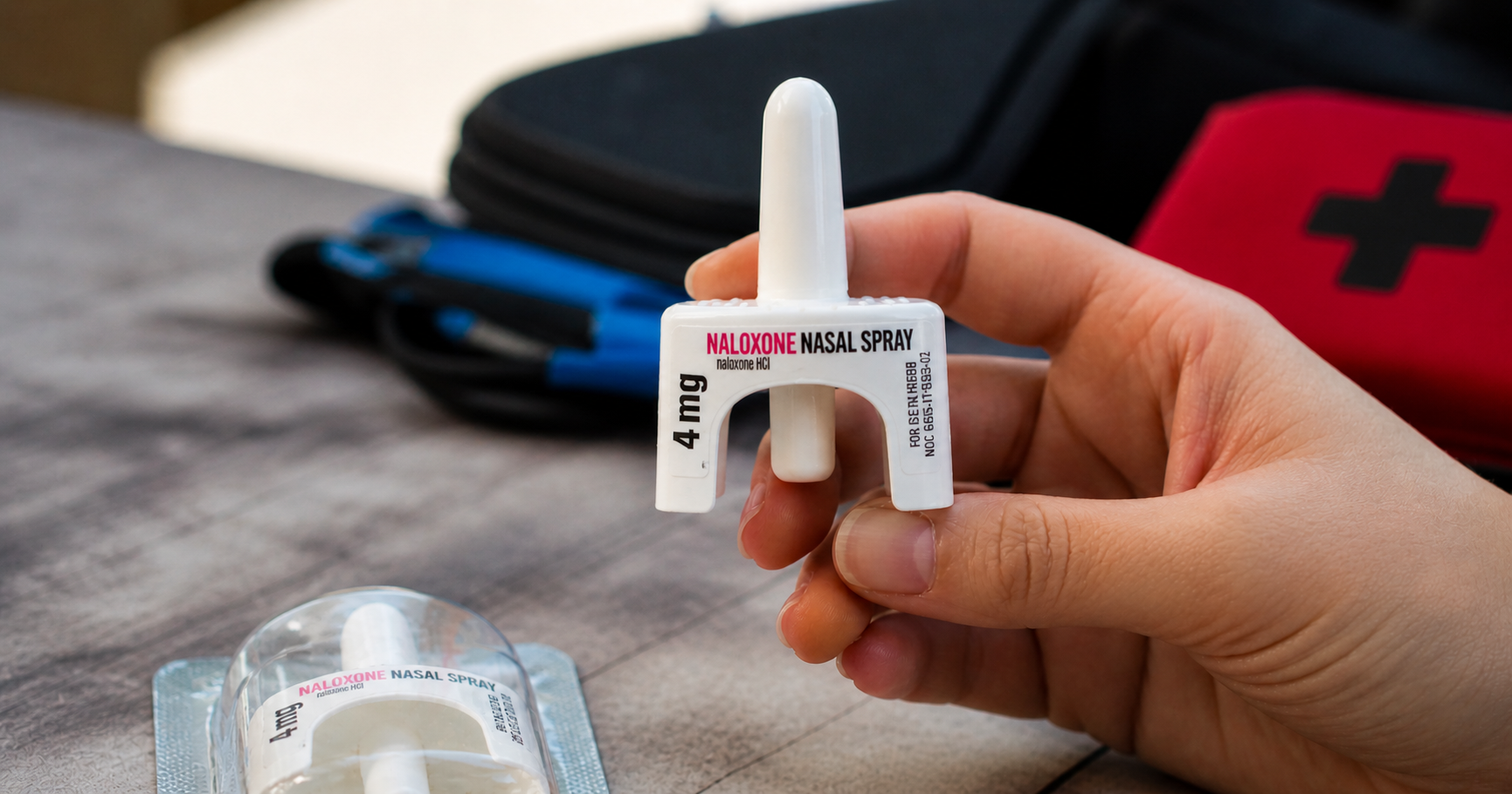
New York’s mounting embrace of naloxone sheds light on the city’s prosaic, data-driven war on opioid overdoses—and how pragmatic policy can chip away at a public health scourge.
A thousand lives lost in three and a quarter months: the opioid crisis in New York City continues to exert a punishing toll, with 3,000 deaths by overdose recorded in 2023 alone. Yet, buried within this grim statistic is a faint but telling signal—the rate of fatal overdoses is now at its lowest point since 2020, the briefest of respites in an otherwise relentless trend. Health officials, ever wary of premature optimism, attribute a portion of this modest progress to an unglamorous tool: naloxone, the overdose-reversal medication that has quietly entered the city’s collective response.
Naloxone—better known commercially as Narcan—acts by blocking opioid receptors in the brain. In minutes, it can pull an individual from the brink of respiratory failure, reversing the deadly effects of fentanyl and its chemical relatives. Once reserved for paramedics and emergency rooms, the medicine has gone mainstream. New York’s public hospitals, a smattering of clinics, and almost any city pharmacy can now hand it over the counter, no prescription required.
The rationale is uncomplicated. Most overdoses in the city are powered by fentanyl, a synthetic opioid as lethal as it is pervasive. With overdoses now among the leading causes of accidental death for New Yorkers under 45, emergency response alone simply cannot keep pace. The Department of Health urges immediate naloxone administration whenever an overdose is suspected—training and detailed knowledge be damned.
City and state regulators have facilitated widespread access. Naloxone is available free of charge to all and sundry, courtesy of the New York State Department of Health’s community distribution efforts. Non-profits, public clinics, even libraries and mutual aid groups are now in the business of equipping bystanders—families, friends, subway commuters—to intervene. Gone is the medical gatekeeping; New York’s legal framework, reflecting national guidance, permits anyone to carry and use naloxone, regardless of medical training.
New York’s approach is as pragmatic as it is unsentimental. The city’s harm-reduction strategy, whose emphasis on widespread naloxone mirrors international best practice, acknowledges that eradication of opioid misuse is a pipe dream. Mitigating fatalities, rather than tilting at utopian abstinence, is the order of the day. Metrics reinforce this point: countries such as Scotland, which distribute naloxone liberally, have managed to stabilise catastrophic death rates despite grave underlying addiction.
That New York remains committed to this model, even as federal and state budgets are squeezed, is telling. Free naloxone programs are neither costless nor uncontroversial. Detractors carp that such measures distract from treatment or “enable” misuse. Yet the numbers suggest otherwise. Each overdose averted represents not merely a life preserved, but a host of collateral benefits: reduced strain on emergency services, families spared brutal loss, and a chance—however slim—for the drug user to eventually seek treatment.
The social implications ripple outward. As bystander rescue becomes normalised, the stigma long attached to opioid users subtly recedes. Community-based training sessions, often run in public libraries and houses of worship, draw residents who might otherwise keep their distance from the epidemic. Conversations about addiction, naloxone, and public health, once the domain of policymakers and specialists, have crept into everyday life.
The economics, too, are consequential. An $80 dose of naloxone (or even less, for state-procured supply) can avert tens of thousands of dollars in hospital care and lost productivity—not to mention the far steeper human costs of death and bereavement. For a city whose homeless shelters and emergency rooms are continuously pressed, wide reach for naloxone is, at minimum, a sound investment.
Lives reclaimed and lessons learned
Nationally, New York’s strategy plays out within a patchwork: some states, such as Ohio and Massachusetts, have similarly liberal naloxone policies, while others place bureaucratic or legal obstacles in the way. The US Centers for Disease Control and Prevention recommend broad access, and recent federal deregulation allows over-the-counter sales nationwide. Europe offers a further point of reference: Scotland’s community distribution scheme and Denmark’s free-of-charge programs have demonstrably reduced fatalities, though neither has “solved” the underlying epidemic.
Such efforts are a testament to what can be achieved by embracing, however grudgingly, the principle of “safe survival”—a stance opposed by some in the US Congress, still wedded to a more punitive approach. The data, as ever, are sobering but instructive. In the first full year since New York threw open naloxone access, the city’s overdose mortality ticked downward even as drug purity (and thus risk) rose. Purists may sneer at “band-aid” solutions; pragmatists, and the relatives of the 3,000 who still perished, are less quick to scoff.
We reckon that New York’s experience, though hardly a triumph, bodes better than the alternatives. Harm reduction does not eliminate addiction—nor does it pretend to. It does, however, afford afflicted individuals a second, third, sometimes fourth chance, and buys time for measures that address root causes. The city’s approach is data-driven, humane, and far from cheap; it is also, on balance, effective.
No panacea for opioid addiction exists—least of all in a metropolis whose inequalities fuel both supply and demand. But New York’s scalable, minimally paternalistic strategy offers a glimmer of hope for other cities with less institutional heft. The city’s bet: that by scattering thousands of doses of naloxone into the hands of the public, it may one day render its own triage schemes redundant. That outcome, though faint, is not beyond imagining—and is certainly worth striving for. ■
Based on reporting from El Diario NY; additional analysis and context by Borough Brief.