April Grocery Prices Climb 0.7 Percent as Eggs Offer Rare Relief at NYC Checkouts
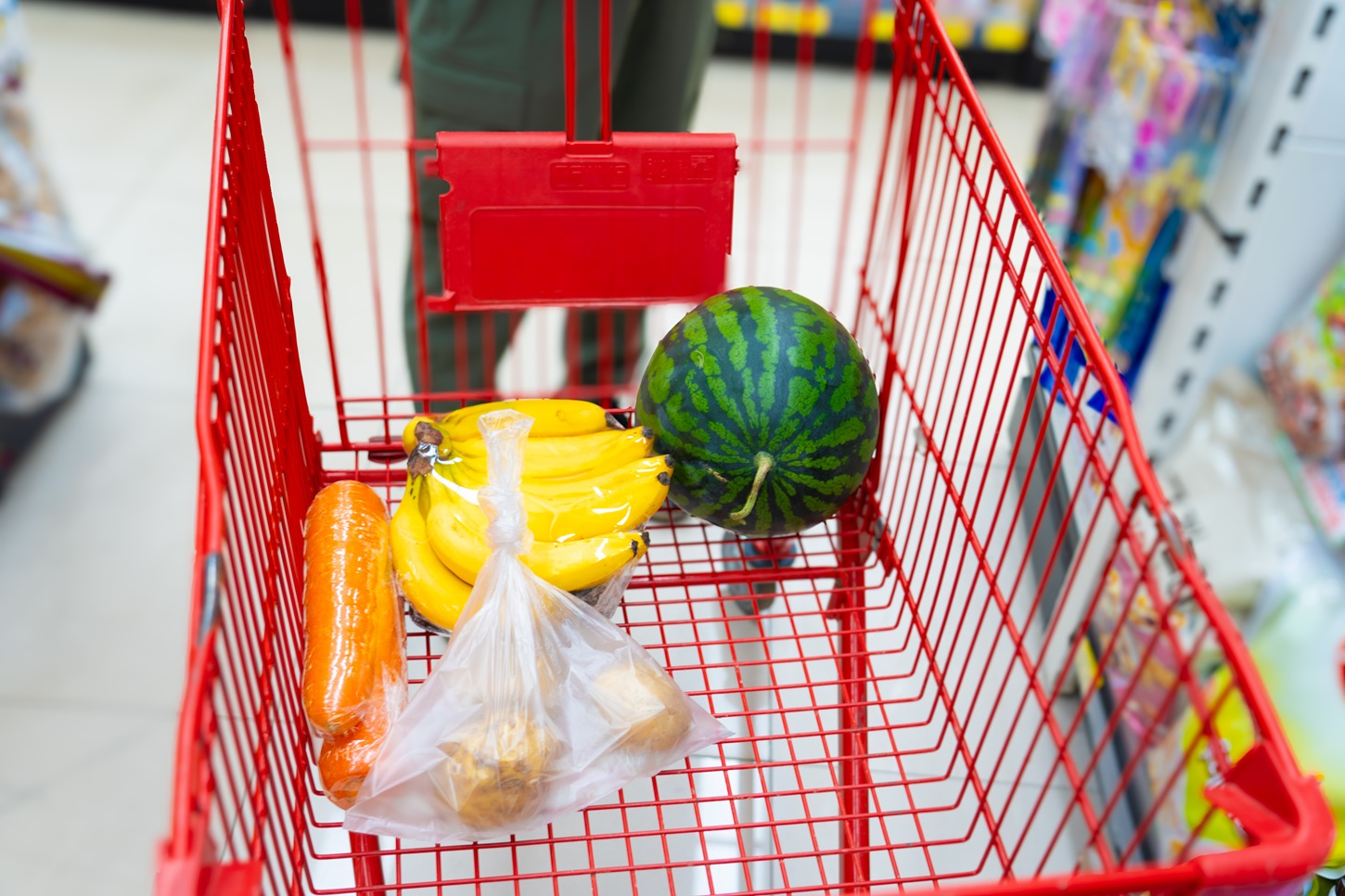
Soaring grocery bills in New York City underscore how global shocks and energy volatility are squeezing household budgets and portending broader economic headaches.
At a corner bodega in Sunset Park, a steady stream of New Yorkers stare, tight-lipped, at newly stamped price tags: coffee up again, another dollar on apples, chicken breast dearer still. According to the latest figures from the Bureau of Labor Statistics (BLS), the prices of groceries jumped 0.7% in April—the steepest monthly climb for household foodstuffs in nearly four years. For the city that never sleeps, accustomed to pricey living, this latest twist of inflation still packs a sting.
The news is plain enough. While overall consumer prices in the United States rose 0.5% in April, food purchased for eating at home outpaced this, rising twice as fast. Over the past year, grocery bills have climbed 2.9%. For a typical New York family spending $800 a month on food, the increase amounts to $23 extra—enough for two MetroCards, a modest lunch out, or, in these times, another half-dozen eggs. Even dining out brings little relief: fast-food prices jumped 0.4% last month, while full-service restaurants now cost 3.8% more year-on-year.
The culprit, say industry analysts and officials, is as much geopolitical as it is economic. The latest jump in food prices, detailed in the BLS report of May 13th, closely tracks the cost of energy—especially petrol. Over the past year, energy prices have soared an eye-catching 17.9%, a by-product of conflict in Iran and persistent volatility in global markets. Andy Harig of the Food Industry Association opined this week that energy shocks ripple through the entire supply chain, from fertilizer production to food delivery and refrigeration. When crude goes up, so does each avocado and loaf of bread, though the pain arrives only after a month’s delay. April, it appears, was payback time.
For New York, where food insecurity is never far from the headlines, the timing is inauspicious. The city counts over 1.2 million residents relying in part on food pantries; the costlier the weekly shop, the further donations and SNAP benefits must stretch. Many immigrant and working-class families—often Hispanic households, disproportionately reliant on affordable staples—are being forced to trade down on brands, trim fresh produce, or forgo meat altogether. Even that New York stalwart, the deli bacon-egg-and-cheese, no longer guarantees comfort at yesteryear’s prices.
Rising food costs rarely straitjacket only household budgets. Higher supermarket bills trickle outwards, pinching discretionary spending on everything from transport to cinema, and—paradoxically—on restaurant meals, where staff wages are already under pressure from separate cost-of-living concerns. While wage growth has kept pace for some Manhattanites (and barely for others), relentless inflation whittles away the gains. The city’s small grocers and bodegas, perched on the knife-edge of profitability, must decide whether to absorb costs or risk losing customers to discount chains in the boroughs’ hinterlands.
The spectre of inflation also plays awkwardly into the city’s politics. Mayor Eric Adams’s administration, intent on projecting economic stability, can do little to cushion fuel and import costs aggravated by regional conflict. Nor is the state government’s purse bottomless: efforts to expand food assistance schemes, while popular, quickly collide with fiscal constraints. For policymakers, blaming externalities provides little comfort in the aftermath of COVID-era price shocks and persistent reminders of New York’s housing and hunger crises.
A mirror of global ills
Viewed through a wider lens, New York is hardly unique. While the city’s notoriety for princely rents and gourmet bakeries is unmatched, the lived experience of inflation is now shared by urbanites from Berlin to Buenos Aires. In Europe, ongoing energy price instability—thanks to war in Ukraine and OPEC’s caprices—has kept continental food inflation stubbornly above pre-pandemic levels. In the United States, economists at Goldman Sachs, citing May 2026 analyses, anticipate more price pain ahead, as upstream supply disruptions and puny crop yields filter down to the checkouts.
There are, mercifully, a few glints of respite. Egg prices—embattled only last year by avian flu outbreaks that prompted a 39% annual drop—are one of the rare items to get cheaper. Such reversals are emblematic, if modest: food volatility is as much a product of freak weather, livestock diseases and international logistics as of local labour or urban density. For those willing to forgo animal protein, switching to subsidized eggs may offer a rare bit of budgetary cheer.
Still, the broader outlook is hardly cheery. As the USDA projects food-at-home prices to remain elevated into 2026, the risks grow that city dwellers simply adapt to higher costs—either by skimping on nutrition, cascading stress down the local economy, or souring on urban life altogether. In the past, New York has proved buoyant: a place where gritty adaptation and occasional generosity vie for pride of place. But today’s uptick in food prices portends a more entrenched cost-of-living malaise, resistant to quick fixes and reliant, uncomfortably, on the caprices of geopolitics.
That should galvanise, not paralyse, local and national policymakers. While city hall cannot cool the Straits of Hormuz, it can double down on nutritional assistance, shield the worst-off from hunger, and foster supply chain resilience—tasks more challenging than ribbon-cutting or inflation hand-wringing. For merchants and shoppers alike, April’s supermarket sticker shock is not a one-off anomaly but a harbinger of fiscal headaches to come. Transient shocks may pass, but the underlying fragility—energy dependence, choked-up trade, and the vulnerability of the poor—remains to be tackled.
New York, as ever, finds itself at the world’s mercy: a metropolis more exposed than most to crosswinds in oil, food, and politics. But while residents can stomach a little more for their groceries, a sustained diet of dearer staples bodes ill for a city priding itself on dynamism—and its appetite for risk. ■
Based on reporting from El Diario NY; additional analysis and context by Borough Brief.