AMA Flags Rising Measles Cases as Vaccination Rates Slip Nationwide
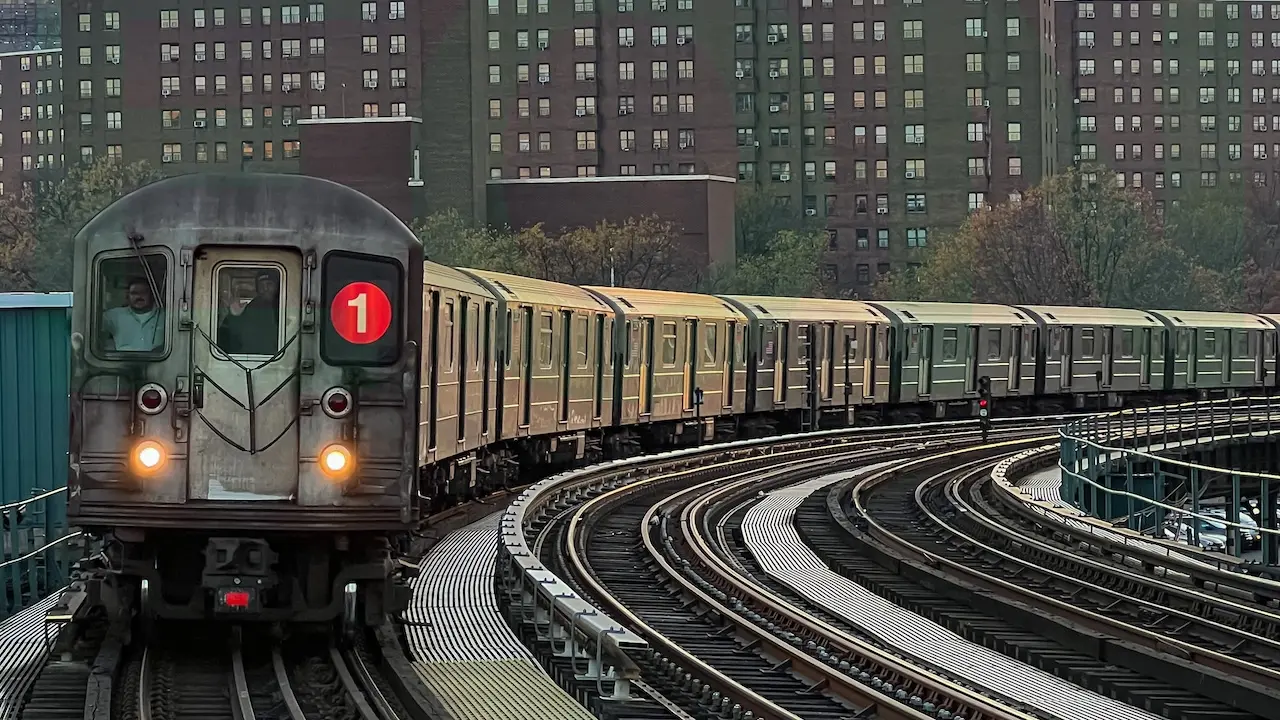
The resurgence of measles—once thought vanquished—casts a troubling shadow over New York’s public health and underscores the risks of wavering vaccination rates.
The numbers are inching upwards in a manner that ought to alarm anyone with a passing familiarity with epidemiology. In Brooklyn and beyond, confirmed measles cases have begun to reappear, threatening to unravel decades of progress against the disease. The American Medical Association, voicing rare public exasperation, issued a nationwide plea this week: get vaccinated, or risk a return to the bad old days.
The warning arrives not as isolated bluster but in response to mounting evidence. The Centers for Disease Control and Prevention counted over 120 measles cases nationwide so far this year—more than double last year’s tally at the same point. New York City, long a bellwether for communicable ills, accounts for a worrisome and growing share. Officials point to communities in Brooklyn and Queens, where vaccination rates in some pockets now lag behind the citywide average of about 93%, which is already worryingly close to the minimum threshold for herd immunity.
Measles, it must be recalled, is no trifling ailment. Far more contagious than COVID-19 or influenza, it can lead to severe complications, particularly in infants, the immunocompromised and pregnant women. New York’s robust health infrastructure is well tried, but even the best-run hospital cannot outpace a disease whose reproductive rate can exceed 15 if unchecked. The costs, measured in both dollars and distress, are anything but negligible.
The immediate implications for the city bear repeating. Schools and childcare providers, by state law, require measles-mumps-rubella (MMR) verification; lapses invite outbreaks. When an unimmunised child contracts measles, entire classrooms can be shuttered and contact tracing can prompt the exclusion of dozens, stretching staff and public patience. In 2018 and 2019, a similar wave centred in Orthodox Jewish communities cost New York over $8.4m in public health expenditure—much of it on vaccination campaigns and legal intervention.
The secondary effects ripple out. Economically, businesses face staff shortages as parents keep exposed children home. Health care networks suffer under the dual burden of treating preventable ailments and the displacement of more urgent cases. Tourism, a pillar of the city’s fortunes, is temporarily tainted by the spectre of quarantine orders. Politicians—never known for their serenity in a crisis—begin to posture, and the city’s image as a locus of enlightened modernity looks uncomfortably brittle.
At root, receding vaccination rates have multiple culprits. Widespread misinformation about vaccine safety—fostered in corners of social media and abetted by a handful of recalcitrant local leaders—has proven stubbornly resistant to countervailing fact. Pandemic-era disruption also left gaps in routine paediatric care that have yet to be fully remedied. Not all vaccine hesitancy is born of ideology; for some, insurance gaps and linguistic barriers remain formidable, if more prosaic, hurdles. Yet the net result is the same: a larger, easier pathway for the virus to leap from host to host.
Across the country and across continents, old mistakes reemerge
America is not alone in this predicament. London and Rome, too, have reported measles flare-ups in the past twelve months, as have certain enclaves in Israel and Ukraine. The World Health Organisation, not usually given to excitable prose, called the global rise in measles cases “alarming” and noted that vaccination coverage had dropped in at least 37 countries last year. These reversals, sometimes due to armed conflict, but often to the same blend of distrust and inertia now afflicting the US, reveal the fragility of public health gains long taken as assured.
New York’s predicament is doubly poignant. The city was first in the country to introduce a municipal vaccination law in 1866; it was also among the first to declare measles “eliminated” as late as 2000. The present backslide thus constitutes a melancholy case of déjà vu. No amount of municipal boosterism or appeals to science will suffice unless immunisation rates swiftly improve.
Some may argue that the threat is overstated: most cases, after all, occur in identifiable clusters and transmission is not yet citywide. But measles, perhaps more than any other childhood illness, excels at cheating the odds. A single index case aboard a crowded subway train can set off chains of infection that are invisible for weeks. At that point, the question will not be whether the city ought to have acted, but whether it is already too late.
Yet there is room for measured optimism. New York’s public health department, battle-tested by COVID-19 and monkeypox, retains formidable capacity for both outreach and enforcement. The city has reopened vaccine clinics and stepped up engagement with community leaders, betting on persuasion at least as much as compulsion. The American Medical Association’s call may spur federal funding for catch-up campaigns. As “herd immunity” re-entered public discourse in pandemic times, one hopes that the underlying logic—that vaccination is both private shield and public duty—will endure.
The broader lesson, sadly, is that epidemiological progress follows an asymptotic curve: it can approach perfection, but never quite attain it. For each two steps taken, complacency too often invites a slide backward; the vigilance of the many can be undone by the neglect of the few. Still, the city that prided itself on eliminating measles once before may yet do so again—provided sound data, public trust and clear-eyed policy can prevail against the malaise of misinformation.
In the final measure, the re-emergence of measles stands as an unflattering barometer of civic resolve. The virus, indifferent to protest and posture, rewards only practical action—and punishes indifference with relentless efficiency. For New Yorkers, that old chestnut applies: the price of public health is eternal vigilance, rendered, this time, in two neat doses before kindergarten. ■
Based on reporting from Brooklyn Eagle; additional analysis and context by Borough Brief.